

Cold Plunges and Hot Tubs: Benefits, Safety, and Maintenance
By The Hot Tub Pros | Professional Hot Tub Cleaning & Maintenance in King County, WA
www.thehottubpros.com | (425) 221-3331
Cold plunges have become a popular addition to home wellness routines, especially among people who already enjoy using a hot tub
Some people use cold water after exercise, while others alternate between warm and cold water as a form of contrast therapy. Although these practices may feel refreshing, research into many of their proposed health benefits is still developing
Anyone interested in combining a cold plunge with a hot tub should understand the possible benefits, important safety considerations, and maintenance needs of both systems
What Is Cold-Water Immersion?
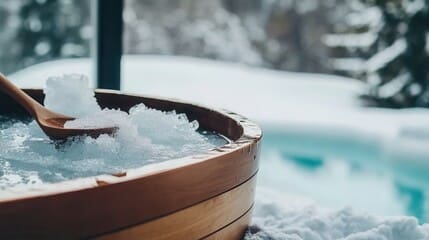
Cold-water immersion involves placing part or all of the body into cold water for a limited period
People commonly use cold plunges because they may help with temporary muscle soreness or provide a feeling of alertness and refreshment. However, individual reactions vary, and cold-water immersion is not appropriate for everyone
Claims that cold plunges improve immunity, prevent illness, dramatically increase circulation, or provide other broad health benefits should be viewed cautiously. Current evidence does not support treating cold-water immersion as a guaranteed medical or wellness treatment
What Is Contrast Therapy?
Contrast therapy involves moving between warm and cold water
The warm water of a hot tub may feel relaxing and help loosen tired muscles, while cold water creates a distinctly different physical response. Some people enjoy alternating between the two as part of a personal recovery or wellness routine
However, rapid temperature changes affect breathing, heart rate, blood pressure, and circulation. There is no single routine, temperature, or cycle that is appropriate for every person
Rather than following a generic online formula, beginners should approach temperature changes gradually and pay attention to how they feel
Understand the Risks of Cold Water
Sudden cold-water immersion can trigger an involuntary cold-shock response. This may cause rapid breathing, an increased heart rate, and a sudden rise in blood pressure
Cold exposure can also cause dizziness, numbness, reduced coordination, confusion, or difficulty exiting the water. The risk increases as the water becomes colder or exposure lasts longer
Never use a cold plunge alone, and make sure you can exit the water quickly without climbing over an unstable surface
Stop immediately if you experience:
- Chest discomfort
- Difficulty breathing
- Dizziness or lightheadedness
- Confusion
- Loss of coordination
- Excessive numbness
- Uncontrolled shivering
- Any unusual or concerning physical response
Do not attempt to push through discomfort simply to reach a particular time or temperature goal
Talk to a Healthcare Provider First
Anyone with a heart condition, high blood pressure, poor circulation, diabetes, neurological concerns, or another significant medical condition should speak with a qualified healthcare provider before trying cold-water immersion or contrast therapy
Pregnant individuals and people taking medications that affect heart rate, blood pressure, circulation, or temperature regulation should also seek individual medical guidance
This article provides general maintenance and safety information. It does not replace advice from a healthcare professional
Use Your Hot Tub Responsibly
Hot water also requires thoughtful use
The Centers for Disease Control and Prevention recommends that hot tub water never exceed 104°F. Guests should avoid alcohol before or during hot tub use, and pregnant individuals should consult a healthcare provider before soaking
Do not use a hot tub when experiencing diarrhea or another illness that could contaminate the water. Showering before entering also helps reduce sweat, lotions, cosmetics, and other contaminants that increase sanitizer demand
When moving between a hot tub and cold plunge, use extra caution on steps and surrounding surfaces. Water tracked between the two can quickly create a slipping hazard
A Cold Plunge Still Requires Water Care
Cold water does not eliminate the need for sanitation, circulation, testing, or cleaning
A cold plunge can still collect:
- Sweat and body oils
- Lotions and cosmetic products
- Hair and skin cells
- Dirt and outdoor debris
- Microorganisms
- Contaminants transferred from a hot tub
Water-care requirements vary considerably between cold-plunge systems. Some use chlorine or bromine, while others incorporate ozone, ultraviolet systems, filtration, or manufacturer-specific products
Always follow the manufacturer’s instructions for sanitizer, water balance, filtration, cleaning, and water replacement. Do not assume that a cold temperature alone makes the water safe
Prevent Cross-Contamination
Moving directly between a hot tub and cold plunge can transfer water and contaminants from one vessel to the other
This transfer may affect sanitizer levels, water balance, and overall cleanliness. It can also place additional demand on both filtration systems
To reduce cross-contamination:
- Shower before using either vessel
- Keep lotions, oils, and cosmetic products out of the water
- Use separate testing and cleaning tools when required
- Avoid transferring floating dispensers or chemical products between systems
- Follow each manufacturer’s water-care instructions
- Test both bodies of water independently
- Clean surrounding walking areas regularly
A cold plunge and hot tub should each have their own maintenance routine
Maintain the Hot Tub Filter
Frequent use increases the amount of material captured by the hot tub filter
Inspect the filter regularly and rinse it according to the manufacturer’s instructions. Periodic deeper cleaning can help remove oils and residue that a basic rinse may leave behind
Replace the filter when the pleats remain discolored after cleaning, the material begins to deteriorate, the bands become loose, or normal water flow cannot be restored
A clean filter supports circulation and water clarity, but filtration does not replace sanitizer or regular water testing
Test the Water Consistently
Test sanitizer and pH frequently enough to respond to actual use
Warm water, aeration, and repeated bathing can consume sanitizer quickly. Heavy use or several people moving between a hot tub and cold plunge may create a greater demand than a normal residential soaking routine
Clear water is not always properly sanitized water. Testing is the only reliable way to understand the condition of the water
Always follow the hot tub manufacturer’s guidance and the instructions provided with your chosen water-care products
Keep Both Covers Clean and Secure
A properly fitted cover helps limit debris, heat transfer, evaporation, and unnecessary sanitizer demand
Clean each cover with products approved by its manufacturer. Avoid placing chemical containers, wet towels, or other heavy items on top of either cover
Replace a cover when it becomes excessively heavy, damaged, poorly fitted, or unable to close securely
Know When the Water Needs to Be Changed
Testing and chemical treatment cannot keep the same water manageable indefinitely
As dissolved material, body oils, and other contaminants accumulate, the water may become increasingly difficult to balance. Persistent cloudiness, foam, odor, residue, or rapidly disappearing sanitizer may indicate that cleaning and water replacement are needed
The proper schedule depends on water volume, frequency of use, number of bathers, water quality, filter condition, manufacturer guidance, and the type of treatment system being used
Professional Hot Tub Maintenance Can Help
A combined hot tub and cold-plunge routine can increase the amount of water care needed around your property
The Hot Tub Pros helps King County hot tub owners with:
- Professional drain and clean services
- Filter cleaning and maintenance
- Water testing and balancing
- Water-care consultations
- Routine maintenance programs
- Hot tub cover replacements
Our work focuses on keeping the hot tub side of your wellness routine clean, properly maintained, and easier to manage
Enjoy Hot and Cold Water Responsibly
Cold plunges and hot tubs can create very different experiences, and some people enjoy using both as part of their wellness routine
The safest approach is to avoid exaggerated promises, understand your personal health considerations, start cautiously, and maintain each body of water according to its manufacturer’s instructions
Consistent testing, sanitation, filtration, cleaning, and water replacement remain important regardless of the water temperature
If you need help maintaining your hot tub in King County, call or text The Hot Tub Pros at (425) 221-3331 or request service online:
https://clienthub.getjobber.com/booking/b1d76c3e-4e30-495b-953d-95284038ddb2
Helpful Resources
More From The Hot Tub Pros
- Hot Tub Chemicals 101: Five Steps to Balanced, Crystal-Clear Water
- Hot Tub Filter Cleaning and Replacement Guide
- Is Your Hot Tub Cover Waterlogged? Here’s When to Replace It
- Professional Hot Tub Cleaning Services in King County