

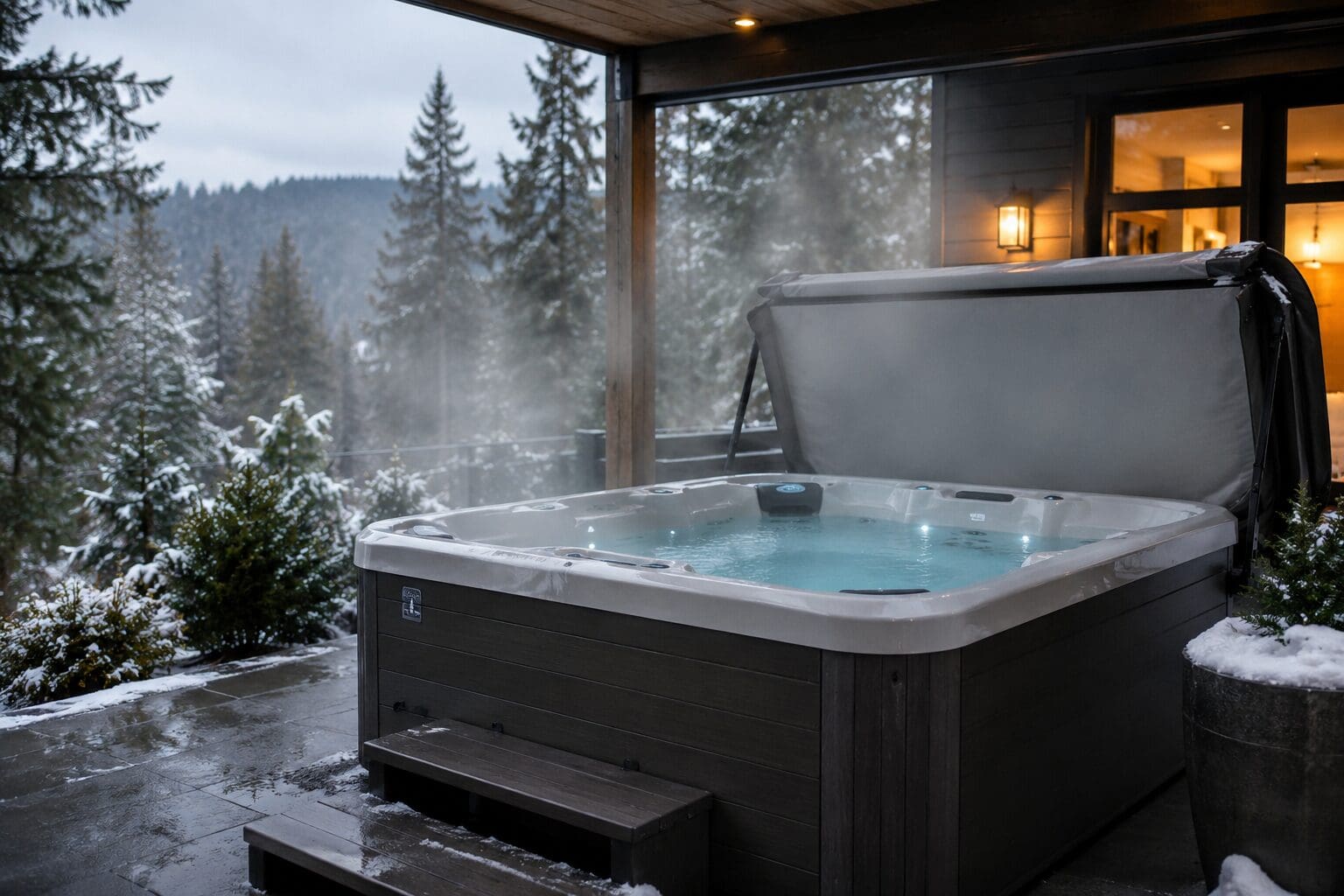
Should You Winterize Your Hot Tub or Keep It Running Through a Washington Winter?
By The Hot Tub Pros | Professional Hot Tub Cleaning and Maintenance in King County, Washington
When colder weather approaches, many hot tub owners ask the same question:
Should I winterize my hot tub or keep it running?
For most hot tub owners in King County, our professional recommendation is to keep the hot tub filled, powered, circulating, and properly maintained throughout the winter
Modern hot tubs are designed to operate year-round, and winter can be one of the most enjoyable times to use them
However, keeping a hot tub running only works when someone can consistently monitor the water, maintain the chemicals, check the water level, and respond to equipment or power problems
When a property will remain vacant or nobody can reliably monitor the hot tub, professional winterization may provide the safer option
The correct choice depends on the property, the owner’s schedule, the condition of the hot tub, and whether someone can provide dependable maintenance throughout the season
Why We Usually Recommend Keeping a Hot Tub Running
A properly operating hot tub continuously circulates, filters, and heats its water
That normal operation helps protect the plumbing and equipment during cold weather while keeping the hot tub available for use
Keeping the system running also avoids the repeated process of shutting everything down in the fall and putting it back into service in the spring
From our experience maintaining hot tubs throughout the Pacific Northwest, a hot tub generally benefits from remaining operational when the owner can care for it properly
Keeping the system filled and circulating allows:
- Water to move through the plumbing
- Pumps and valves to operate normally
- Seals and O-rings to remain in their usual operating environment
- Filtration cycles to continue
- Freeze-protection programming to function
- Owners or technicians to identify developing problems
- The hot tub to remain available throughout winter
A running hot tub still requires attention, but it avoids leaving the entire appliance cold, dry, and unused for several months
Hot Tubs Are Designed for Year-Round Operation
Most quality hot tubs include insulation, filtration programming, thermostatic controls, and freeze-protection features designed to support operation during cold weather
As long as the hot tub has power, the correct water level, normal circulation, and properly functioning equipment, it can usually maintain its temperature throughout a typical King County winter
A secure and properly fitting cover also helps retain heat, reduce energy loss, and protect the water from rain, leaves, branches, and other debris
Many owners reduce the temperature or adjust the filtration and efficiency settings when they expect to use the hot tub less frequently
This can reduce unnecessary energy use while allowing the system to remain operational
Always follow the manufacturer’s instructions when changing temperature, filtration, or economy settings
The Potential Effects of Repeated Seasonal Shutdowns
Winterization protects a hot tub from freeze damage when it cannot remain operational
However, repeatedly shutting down and reopening a hot tub every year also introduces additional work and potential wear
The winterization process may require:
- Turning off and disconnecting power
- Draining the vessel
- Removing water from plumbing lines
- Clearing pumps and the heater
- Loosening plumbing unions or removing drain plugs
- Removing and storing filters
- Drying the shell and accessible equipment
- Securing the cover
- Reconnecting and restarting everything in spring
Each spring, the system must be carefully reassembled, refilled, inspected, restarted, and balanced
From our field experience, seals and O-rings may become dry, stiff, or less dependable after sitting cold and unused for extended periods
Connections that did not leak before shutdown may also need attention after the system is reassembled and pressurized again
This does not mean winterization automatically damages a hot tub
It means winterization should serve a clear purpose rather than becoming an automatic yearly routine for a hot tub that could remain safely operational
Why an Empty Hot Tub Is Not Maintenance-Free
Some owners assume that an empty and winterized hot tub can sit completely unattended until spring
The plumbing may no longer contain circulating water, but the hot tub and surrounding area still face winter conditions
During the shutdown period, owners should continue checking:
- The cover and locking straps
- Snow, ice, and standing water on the cover
- Wind damage
- Moisture inside the cabinet
- Pests or nesting animals
- Drainage around the hot tub
- Cabinet panels and equipment access
- The condition of exposed components
A waterlogged or damaged cover may struggle under additional snow and rain
Moisture can also enter areas that were dry when the winterization was completed
Professional winterization reduces freeze risk, but it does not make the entire appliance immune to weather, moisture, pests, or physical deterioration
When Winterization Makes Sense
Winterization may be the best choice when:
- The property will remain vacant for an extended period
- Nobody can monitor the hot tub
- The electrical power will be shut off
- The hot tub will not be used for several months
- The property experiences frequent or extended power outages
- The owner cannot maintain the water during winter
- A vacation home or cabin will remain inaccessible
- The hot tub already has a condition that prevents safe winter operation
In these situations, leaving a hot tub filled and unattended may create a serious freeze risk
If the water level drops, circulation stops, a breaker trips, a pump fails, or the power remains off during freezing weather, water inside the plumbing can freeze and expand
That expansion may damage pipes, manifolds, pumps, heaters, jet bodies, and other components
A professional winterization aims to remove as much water as possible from the vessel, plumbing, and equipment before freezing weather arrives
Winterization Requires More Than Draining the Shell
Simply opening the drain and emptying the visible water does not properly winterize a hot tub
A hot tub contains low points, plumbing loops, pumps, jet lines, manifolds, filters, valves, and heater components that can retain water after the shell appears empty
Even a small amount of trapped water can freeze, expand, and damage the plumbing
A thorough winterization may include:
- Disconnecting power safely
- Draining the hot tub
- Removing and cleaning the filters
- Blowing water from the plumbing lines
- Removing water from pumps and heater components
- Clearing accessible low points
- Cleaning and drying the shell
- Inspecting the equipment compartment
- Securing the cover
- Documenting the condition of the hot tub
The exact procedure depends on the manufacturer, model, plumbing design, and equipment configuration
Because hidden water can remain inside the system, incomplete winterization may provide a false sense of protection
The Other Risk: Keeping an Unattended Hot Tub Running
Keeping a hot tub operational is usually our preferred approach, but only when someone can maintain it
A filled hot tub should not remain heated and circulating for months without water care
Neglected water can lead to:
- Low or excessive sanitizer
- Unbalanced pH
- Cloudy water
- Strong odors
- Scale
- Corrosion
- Damaged surfaces
- Dirty or restricted filters
- Biofilm and organic buildup
- Low water levels
- Reduced circulation
Chemical neglect can damage heaters, pumps, seals, pillows, covers, fixtures, and other components
Excessive sanitizer and low pH can be especially harsh on equipment and surfaces
For that reason, the choice is not simply between a running hot tub and a winterized hot tub
The real choice is between a properly maintained running hot tub and a professionally winterized hot tub
A running but neglected hot tub is not the recommended option
What a Running Hot Tub Needs During Winter
A hot tub that remains operational requires consistent care throughout the season
Winter maintenance should include:
- Regular water testing
- Proper sanitizer levels
- Non-chlorine shock after use
- Weekly shock when the hot tub remains unused
- Correct water level
- Clean and unrestricted filters
- Normal circulation
- Secure equipment panels
- A properly fitted cover
- Routine checks for leaks or unusual conditions
- A plan for extended power outages
Heavy rain, wind, leaves, pine needles, and other Pacific Northwest conditions can increase maintenance demands
Cold weather can also make an unnoticed equipment or circulation problem more serious
Someone should check the hot tub consistently even when nobody plans to use it
Watch the Water Level
Water level becomes especially important during winter
If the level drops too low, the circulation system may draw air instead of water
This can interrupt heating and filtration when the hot tub needs them most
Water levels may fall because of:
- Normal evaporation
- Splash-out
- Cover damage
- A loose connection
- A developing leak
- Nobody checking the hot tub
Maintain the water at the manufacturer’s recommended level and investigate unexpected water loss promptly
Prepare for Power Outages
Western Washington winters can bring windstorms, fallen trees, and power outages
A well-insulated hot tub with a secured cover can retain heat for a period of time, but that protection does not last indefinitely
If the power goes out:
- Keep the cover closed
- Avoid unnecessary heat loss
- Monitor the outage
- Check the water temperature when it is safe
- Follow the manufacturer’s cold-weather guidance
- Contact a qualified professional when the outage may continue through freezing conditions
Do not drain the hot tub during freezing weather unless you can also remove the remaining water from the plumbing and equipment
Opening the drain alone may leave water trapped in the areas most vulnerable to freeze damage
Consider Professional Maintenance During Winter
Owners who travel frequently or do not want to manage winter water care may benefit from a professional maintenance program
Scheduled maintenance can help with:
- Water testing and balancing
- Sanitizer and shock adjustments
- Filter cleaning
- Debris removal
- Water-level monitoring
- Cover checks
- Visual condition checks
- Service documentation
- Early identification of unusual conditions
Professional visits that occur less than weekly still require someone to monitor the hot tub between appointments
The owner or responsible party must also add shock after use and report unexpected conditions
Weekly professional service provides the most complete support for heavily used hot tubs, vacation rentals, and properties where the owner is frequently away
Our Professional Recommendation
For most residential hot tubs in King County, The Hot Tub Pros recommends keeping the hot tub filled, powered, circulating, and properly maintained throughout the winter
This approach allows the hot tub to operate as designed while avoiding unnecessary yearly shutdown and startup cycles
Winterization becomes the better option when:
- Nobody can monitor the hot tub
- The property will remain vacant
- Power will be disconnected
- Maintenance cannot continue
- The hot tub cannot operate reliably
- Extended freezing conditions create an unacceptable risk
Neither option should involve neglect
A running hot tub needs dependable water care and monitoring
A winterized hot tub needs a thorough shutdown, a secure cover, periodic exterior checks, and a careful spring opening
The best decision is the one that protects the hot tub based on how the property will actually be used throughout winter
Keep Your Hot Tub Protected This Winter
The Hot Tub Pros provides professional winterization, spring opening, hot tub cleaning, water care, and recurring maintenance throughout King County
We can help you determine whether your hot tub should remain operational or receive a complete winterization based on the property, maintenance availability, equipment condition, and expected winter use
Our goal is to protect the hot tub while giving you a clear and practical plan for the season ahead
Helpful Resources
Professional Hot Tub Maintenance Programs
Hot Tub Cleaning Services for Every Situation
How to Winterize a Hot Tub — Bullfrog Spas
How to Winterize a Hot Tub or Swim Spa — Jacuzzi
Ready to prepare your hot tub for winter?
Request Service From The Hot Tub Pros
The Hot Tub Pros
Professional Hot Tub Cleaning and Maintenance
Serving King County, Washington
Call or text (425) 221-3331
Email doug@thehottubpros.com
https://thehottubpros.com